
PTSD Treatment & Trauma-Focused Psychiatric Care Through Telehealth in Texas
Specialized PTSD & Trauma Treatment, Evaluations, Disgnosis and Medication Management
Online PTSD Treatment & Psychiatric Support in Texas
Traumatic experiences can continue to affect daily life long after the event has passed. Some people experience constant alertness, disturbing memories, emotional numbness, sleep problems, or difficulty feeling safe even in familiar environments.
Racheal Onodu, PMHNP-BC, provides online PTSD treatment, psychiatric evaluation, medication management, and ongoing trauma-focused mental health care through secure telehealth appointments. Care is designed to help patients better understand their symptoms, reduce emotional distress, and gradually regain stability in daily life.
Same-day, evening, and weekend appointments may be available. Get in touch to schedule your appointment.
Key Characteristics of PTSD
- Intrusive Thoughts & Flashbacks
- Avoidance Symptoms
- Emotional & Mood Changes
- Hyperarousal & Reactivity

Understanding PTSD (Post-Traumatic Stress Disorder)
What is PTSD?
Post-Traumatic Stress Disorder (PTSD) is a mental health condition that can develop after experiencing or witnessing a traumatic event. Trauma may include accidents, abuse, violence, military combat, loss, medical emergencies, or other deeply distressing situations.
PTSD affects people differently. Some individuals relive traumatic memories repeatedly, while others avoid reminders of the event or feel emotionally disconnected from people around them.
With proper psychiatric evaluation, trauma-informed care, and ongoing support, PTSD symptoms can become more manageable over time.
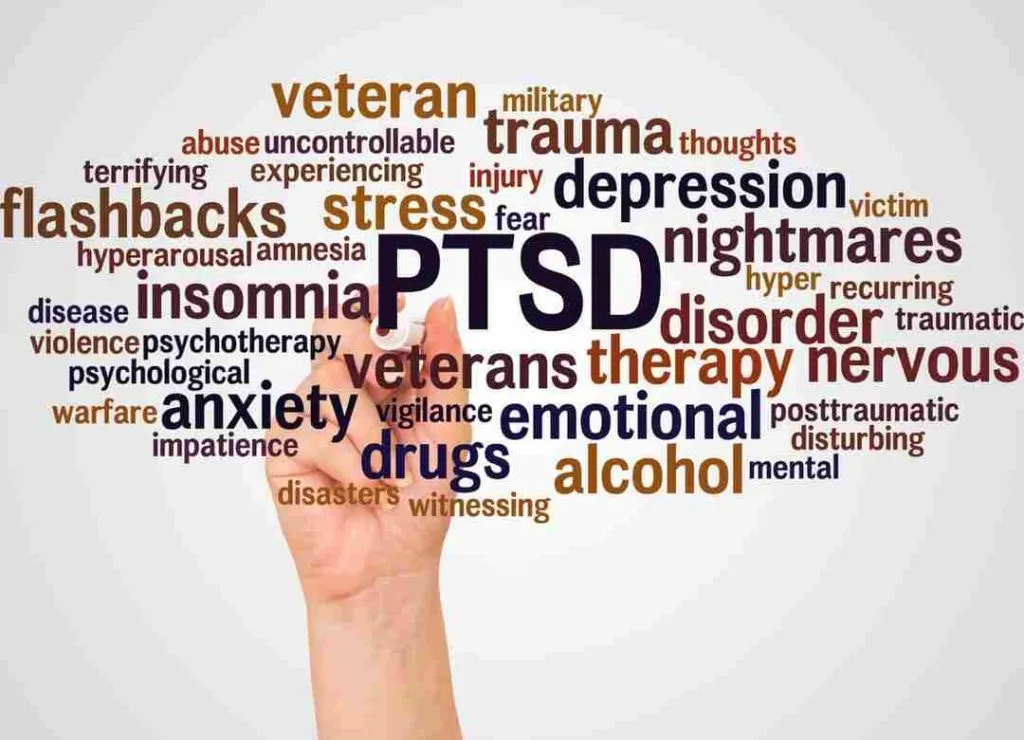
Signs & Symptoms of PTSD
PTSD symptoms often fall into several categories and may vary in intensity from person to person.
Intrusive Thoughts & Flashbacks
- Repeated unwanted memories of traumatic events
- Nightmares or distressing dreams
- Feeling as though the event is happening again
- Emotional distress triggered by reminders of trauma
Avoidance Symptoms
- Avoiding places, people, or conversations connected to trauma
- Withdrawing from activities or relationships
- Difficulty discussing painful experiences
Emotional & Mood Changes
- Persistent fear, guilt, sadness, or anger
- Feeling emotionally numb or disconnected
- Difficulty experiencing positive emotions
- Loss of interest in daily activities
Hyperarousal & Reactivity
- Feeling constantly “on edge”
- Difficulty sleeping or relaxing
- Irritability or sudden emotional reactions
- Trouble concentrating
- Being easily startled or hyper-alert
When these symptoms begin affecting relationships, work, sleep, or emotional well-being, a professional PTSD evaluation from a board certified PTSD specialist Racheal Onodu, may help identify the right treatment approach.
How is PTSD Diagnosed
PTSD is diagnosed through a detailed psychiatric evaluation rather than a single medical test. Assessment may include:
- Discussion of symptoms and traumatic experiences
- Review of emotional and behavioral patterns
- Mental health and medical history review
- Evaluation of sleep, anxiety, mood, and stress levels
- Identifying how symptoms affect work, relationships, and daily functioning
As a leading provider of mental health care across 7 states, our goal is to understand how trauma may be affecting your mental health before creating a treatment plan.
What can cause Trauma, or PTSD
PTSD develops differently for each person, and not everyone who experiences trauma develops the condition. Several factors may increase vulnerability or affect how symptoms develop over time.
Severity or Repeated Exposure to Trauma
Experiencing a deeply distressing event more than once, or living through ongoing trauma over a long period of time, can make it harder for the mind and body to fully recover from stress. Some individuals continue replaying certain experiences, remain constantly alert for danger, or feel emotionally affected long after the situation has passed.
This may happen after repeated emotional abuse, unsafe environments, violence, accidents, military experiences, medical trauma, or other overwhelming situations that leave a lasting emotional impact
Previous Mental Health Conditions
A history of anxiety, depression, or unresolved trauma may influence emotional resilience during stressful events.
Lack of Emotional Support
Limited support systems after trauma can make recovery more difficult for some individuals.
Ongoing Stressful Environments
Living in high-stress or unsafe environments may contribute to worsening symptoms over time.
Brain Function & Stress Response
Differences in how the brain processes fear, stress, and emotional regulation may play a role in PTSD development.
What can cause Trauma, or PTSD
PTSD may occur alongside other mental health conditions, including anxiety disorders, depression, panic attacks, substance use concerns, sleep disturbances, or OCD-related symptoms.
A structured psychiatric assessment helps identify overlapping conditions so treatment can address the full picture rather than isolated symptoms alone.