
ADHD Treatment & Evaluation in Texas
Specialized ADHD Treatment, evaluations, diagnosis and medication management through online consultations
Online ADHD Care for Focus, Organization, and Daily Stability
ADHD can affect focus, time management, emotional control, productivity, and relationships. For many adults and teens, it shows up as missed deadlines, unfinished tasks, restlessness, forgetfulness, or feeling mentally overloaded even when trying hard to stay organized.
Racheal Onodu, PMHNP, provides confidential ADHD evaluation, psychiatric care, and medication management through secure telehealth appointments. Same-day, evening, and weekend appointments may be available for patients seeking timely support.
Key Characteristics of ADHD
Inattention:
Difficulty staying focused, following through on instructions, or keeping tasks organized.
Hyperactivity:
Feeling restless, needing constant movement, or talking more than usual, even in situations where it may not be appropriate
Impulsivity:
Acting quickly without fully thinking things through, such as interrupting others, making rushed decisions, or struggling to wait

Understanding ADHD, Signs & Symptoms
What is ADHD?
Attention-Deficit/Hyperactivity Disorder (ADHD) is a neurodevelopmental condition that affects attention, impulse control, and executive functioning in both adults and teens. With structured psychiatric evaluation and personalized treatment including medication management and ongoing support, ADHD can be effectively managed through secure telehealth consultations.
ADHD is a condition that affects how a person manages attention, activity level, impulses, and daily responsibilities. Although ADHD often begins in childhood, many people continue experiencing symptoms as adults, and some are not diagnosed until later in life.
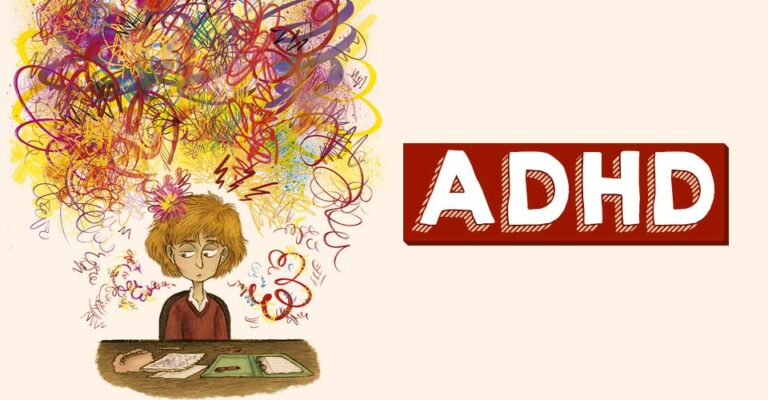
What does ADHD feel like: Staying focused, completing tasks, or managing time can feel more difficult than it should. For some, it shows up as constant distraction. For others, it’s restlessness, forgetfulness, or feeling mentally overwhelmed even with simple routines
Signs & Symptoms of ADHD
ADHD symptoms are generally grouped into three categories. A person may experience one or a combination of these patterns.
Inattention
Difficulty maintaining focus or staying organized in daily activities such as:
- Easily distracted during tasks or conversations
- Trouble staying focused on work, reading, or detailed tasks
- Frequently forgets appointments, deadlines, or responsibilities
- Struggles to follow through on instructions or complete tasks
- Often loses items such as keys, documents, or personal belongings
- Difficulty organizing tasks, schedules, or priorities
- Avoids or delays tasks that require sustained mental effort
Hyperactivity
A sense of restlessness or constant need for movement:
- Feeling physically restless or unable to sit still
- Fidgeting, tapping, or frequent movement
- Difficulty staying seated in situations where it’s expected
- Talking more than usual or feeling the need to keep speaking
- Difficulty relaxing or engaging in quiet activities
Impulsivity
Acting quickly without fully thinking through consequences:
- Interrupting conversations or speaking out of turn
- Difficulty waiting in lines or taking turns
- Making quick decisions without considering outcomes
- Acting on urges or emotions without pause
- Difficulty controlling reactions in stressful situations
Note: Not everyone experiences ADHD the same way. Symptoms can vary in intensity and may overlap with conditions such as anxiety, stress, or mood-related concerns. A structured evaluation helps determine what’s actually contributing to these patterns.
ADHD Diagnosis
ADHD is not diagnosed through a single test. It involves a complete evaluation that looks at patterns over time and it may include:
- A detailed conversation about symptoms, daily functioning, and challenges
- Review of medical, mental health, and lifestyle history
- Use of standardized assessment tools when needed
- Evaluation of how symptoms affect work, school, or relationships
- Ruling out other conditions such as anxiety, depression, or sleep-related issues
Our goal is to understand the full picture before making any diagnosis or treatment recommendations. Upon examination of your current mental health, we provide support in managing your symptoms, suggesting you with techniques and resources to live a more productive life.
And, if you are experience depression or anxiety alongside ADHD, we understand these mixed signs and provide relevant methods to overcome it.
Risk Factors Associated with ADHD
ADHD does not have a single known cause. Instead, a combination of biological and environmental factors may influence how it develops. These factors help provide context during an evaluation but are not used alone to make a diagnosis.
Some commonly associated risk factors include:
Family History/Genetics
A history of ADHD in close family members may increase the likelihood of similar patterns.
Brain Function and Chemistry
Differences in how certain brain systems regulate attention, behavior, and impulse control may play a role.
Prenatal and Early Development Factors
Exposure to substances such as tobacco or alcohol during pregnancy, or early exposure to environmental toxins, may influence development.
Premature Birth or Low Birth Weight
Early birth or lower birth weight has been associated with a higher likelihood of attention-related challenges.
Neurological Injury
In some cases, brain injuries may contribute to symptoms that resemble ADHD.
Nutritional and Early Health Factors
Early developmental health, including nutrition, may also have an impact.
Amasher Psychiatry can perform a comprehensive ADHD evaluation, look at current symptoms, daily functioning, and overall history to understand what is truly contributing to these patterns.