
PTSD Treatment & Trauma Care in Katy, TX
Specialized PTSD Treatment, Trauma-Focused Psychiatric Care & Medication Management
Trusted PTSD Psychiatrist & Trauma Care Provider in Katy, Texas
Rachel Onodu, PMHNP-BC, provides specialized PTSD treatment, trauma-informed psychiatric evaluations, diagnosis, medication management, and ongoing mental health care for adults and young adults in Katy, Texas and surrounding communities.
As a trusted psychiatric provider, Rachel works with individuals who are struggling with the lasting emotional and psychological effects of trauma. Treatment focuses on helping patients better understand their symptoms, regain emotional stability, improve daily functioning, and build a personalized path toward long-term recovery.
Appointments are available through secure telepsychiatry services across Texas and in-person psychiatric consultations in Katy, providing flexible access to professional PTSD treatment and trauma-focused psychiatric care.

PTSD Symptoms We Evaluate
Trauma Re-Experiencing Symptoms
Distressing flashbacks of traumatic events, Recurring trauma-related nightmares, Unwanted intrusive memories, Emotional reactions triggered by reminders of trauma.
Trauma Avoidance Behaviors
Avoiding places connected to traumatic experiences, Avoiding people, conversations, or situations that trigger memories, Reluctance to discuss past traumatic events, Withdrawal from activities previously enjoyed
Hyperarousal & Nervous System Dysregulation
Constantly feeling alert or on guard, Being easily startled by noises or unexpected situations, Difficulty feeling safe in everyday environments, Persistent feelings of danger even when no threat exists.
Emotional & Psychological Impact
Difficulty trusting others, Feeling emotionally disconnected from people, Loss of interest in relationships or social activities, Persistent feelings of shame, guilt, or self-blame related to trauma.
Trauma-Related Cognitive Changes
Negative beliefs about yourself or the world, Difficulty remembering important aspects of traumatic events, Trouble concentrating after trauma, Persistent fear, helplessness, or hopelessness linked to past experiences.
Sleep & Recovery Difficulties
Trauma-related sleep disruption, Fear of sleeping because of nightmares, Frequent waking during the night, Difficulty feeling rested even after sleeping.
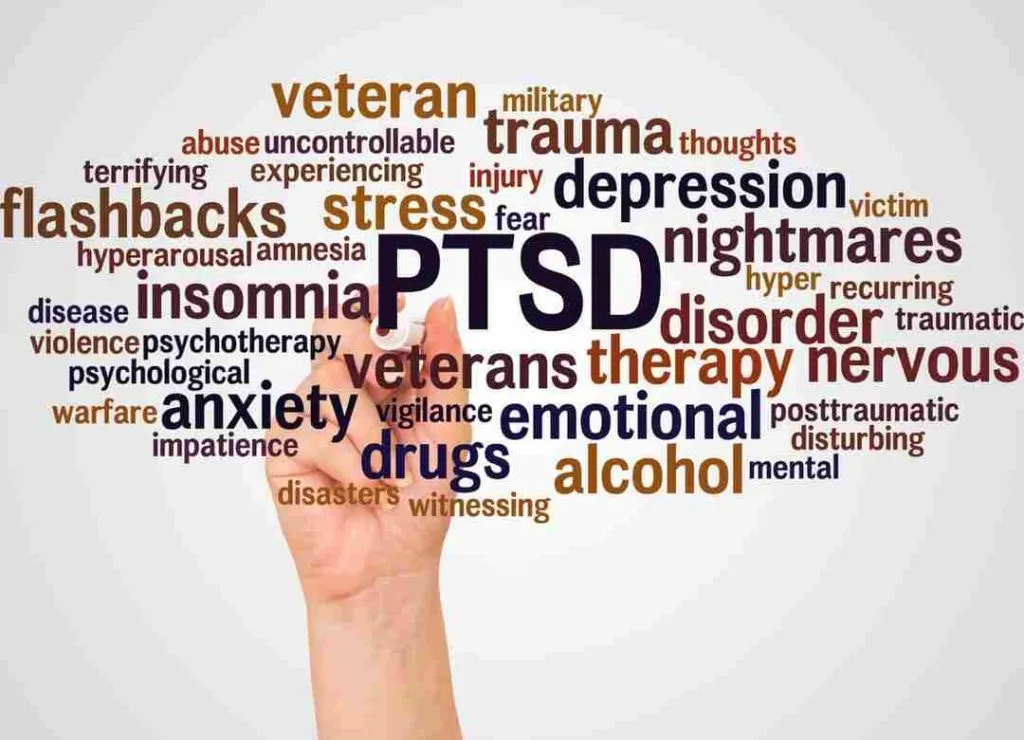
Types of Trauma & PTSD-Related Conditions We Evaluate & Treat
Post-Traumatic Stress Disorder (PTSD)
Trauma symptoms that continue long after a distressing event and affect emotional health, relationships, work performance, and daily functioning.
Trauma-Related Anxiety Disorders
Persistent fear, hypervigilance, panic symptoms, and anxiety that develop following traumatic experiences.
Complex PTSD (C-PTSD)
Trauma-related difficulties associated with prolonged or repeated exposure to traumatic experiences, often affecting self-esteem, emotional regulation, and interpersonal relationships.
Grief & Trauma Following Sudden Loss
Emotional distress and trauma-related symptoms that develop after the unexpected loss of a loved one, major life event, or significant personal tragedy.
Acute Stress Disorder
Short-term trauma responses that develop shortly after a traumatic event and may require early psychiatric intervention and monitoring.
Abuse & Violence-Related Trauma
Trauma symptoms associated with physical abuse, emotional abuse, domestic violence, sexual assault, or other forms of interpersonal violence.
Note: When these symptoms begin affecting relationships, work, sleep, or emotional well-being, a professional PTSD evaluation from a board certified PTSD specialist Racheal Onodu, may help identify the right treatment approach.
PTSD Evaluation & Diagnosis in Katy, Texas
PTSD is diagnosed through a detailed psychiatric evaluation rather than a single medical test. Assessment may include:
- Review of current symptoms and concerns
- Discussion of traumatic experiences and significant life events
- Assessment of avoidance behaviors and safety concerns
- Review of hypervigilance and heightened stress responses
- Review of trauma-related sleep disturbances
- Evaluation of emotional regulation and coping patterns
- Identification of co-occurring trauma-related conditions
As a leading provider of mental health care across 7 states, our goal is to understand how trauma may be affecting your mental health before creating a treatment plan.