
Autism Evaluation & Online Psychiatric Care in Texas
Specialized Autism Assessments, Emotional Support & Medication Management Through Secure Telehealth
Online Autism Support & Psychiatric Care for Children, Teens & Adults in Texas
Autism Spectrum Disorder (ASD) affects how a person communicates, interacts socially, processes emotions, and responds to the world around them. Some individuals may experience sensory sensitivities, emotional overwhelm, repetitive behaviors, difficulty with routines, or challenges in school, work, or relationships.
Autism is not a disease or mental illness. It is a neurodevelopmental condition, and every autistic person experiences strengths and challenges differently.
Racheal Onodu, PMHNP-BC, provides online autism evaluations, psychiatric assessments, medication management, and ongoing emotional support through secure telehealth appointments across Texas.
Care focuses on helping individuals and families better understand autism-related challenges while improving emotional well-being, daily functioning, communication, and quality of life.
Key Characteristics of Autism Spectrum Disorder
Social Communication Challenges:
Difficulty understanding social cues, conversations, or emotional expression.
Repetitive Behaviors & Strong Routines:
Repetitive movements, intense interests, or discomfort with unexpected changes.
Sensory Sensitivities:
Sensitivity to sounds, lights, textures, smells, or crowded environments.
Emotional & Behavioral Difficulties:
Emotional overwhelm, anxiety, frustration, or difficulty adapting to transitions.

Understanding Autism Spectrum Disorder (ASD), Signs & Symptoms
What is Autism?
Autism Spectrum Disorder (ASD) is a neurodevelopmental condition that affects communication, behavior, social interaction, emotional processing, and sensory experiences.
Autism exists on a spectrum, meaning symptoms and support needs vary from person to person. Some individuals may need minimal support, while others benefit from structured emotional, behavioral, educational, or psychiatric care.
Healthcare providers previously used terms such as: Asperger’s Syndrome, PDD-NOS, Autistic Disorder. Today, these conditions are included under the broader diagnosis of Autism Spectrum Disorder. Autism is not something that needs to be “cured.” Instead, support focuses on helping autistic individuals manage challenges, strengthen communication, improve emotional regulation, and build daily life skills.
Many individuals with autism may also experience: ADHD, Anxiety disorders, Depression, OCD-related symptoms, Sleep difficulties, Emotional regulation challenges. A comprehensive psychiatric evaluation helps identify overlapping conditions so treatment can address the full picture.
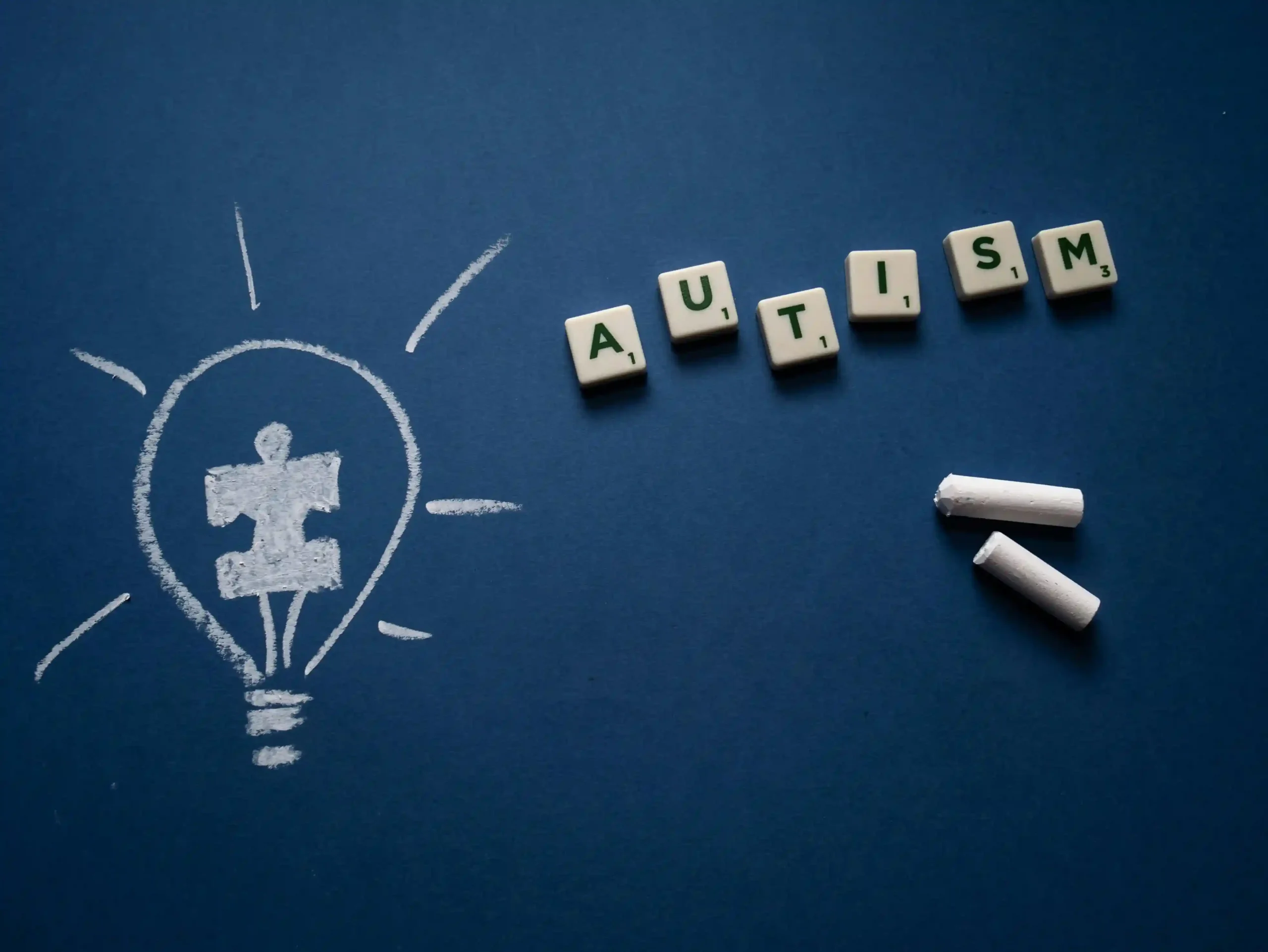
Signs & Symptoms of Autism
Autism symptoms can appear differently depending on age, personality, and support needs.
Social & Communication Challenges
Some individuals may:
- Avoid or limit eye contact
- Prefer independent play or isolation
- Have difficulty starting conversations
- Struggle understanding emotions or social cues
- Speak in a monotone or repetitive way
- Find back-and-forth conversations difficult
Repetitive Behaviors & Restricted Interests
Repetitive Behaviors & Restricted Interests:
- Repeating words or phrases
- Hand flapping, rocking, or repetitive movements
- Strong attachment to routines
- Becoming distressed by sudden changes
- Intense focus on specific topics or interests
- Organizing objects in a specific way
Sensory Sensitivities
Individuals with autism may experience:
- Sensitivity to loud sounds or bright lights
- Discomfort with certain clothing textures
- Feeling overwhelmed in crowded environments
- Strong reactions to smells, touch, or noise
Emotional & Executive Function Challenges
Some people may experience:
- Emotional shutdowns or meltdowns
- Difficulty managing frustration or stress
- Trouble switching between tasks
- Anxiety around change or unpredictability
- Difficulty with organization or planning
Note: When these symptoms begin affecting school, work, relationships, or daily life, a professional autism evaluation may help provide clarity and support options.
How Autism is Evaluated
Autism is diagnosed through a detailed developmental and psychiatric assessment rather than a single medical test. The evaluation process may include:
- Discussion of behavioral and communication patterns
- Review of developmental history
- Assessment of emotional and sensory challenges
- Evaluation of social functioning and routines
- Mental health and medical history review
- Screening for ADHD, anxiety, depression, or related conditions
Standardized autism assessment tools may also be recommended when appropriate. The goal is to better understand how autism-related traits may be affecting daily functioning before creating a personalized support plan.
What Causes Autism?
Experts believe autism develops through a combination of genetic and developmental factors. There is no single known cause.
Research suggests several factors may influence development, including:
- Genetic differences affecting brain development.
- Family history of autism.
- Certain pregnancy or birth-related factors.
- Differences in how the brain processes communication and sensory information.
Autism is not caused by parenting style, personality, or emotional trauma.